The Department of Humanities held a methodological seminar on research-oriented learning and the effective use of digital tools and artificial intelligence in lesson planning.
2026-11-02
RESEARCH-ORIENTED LEARNING AND ARTIFICIAL INTELLIGENCE OPPORTUNITIES DISCUSSED
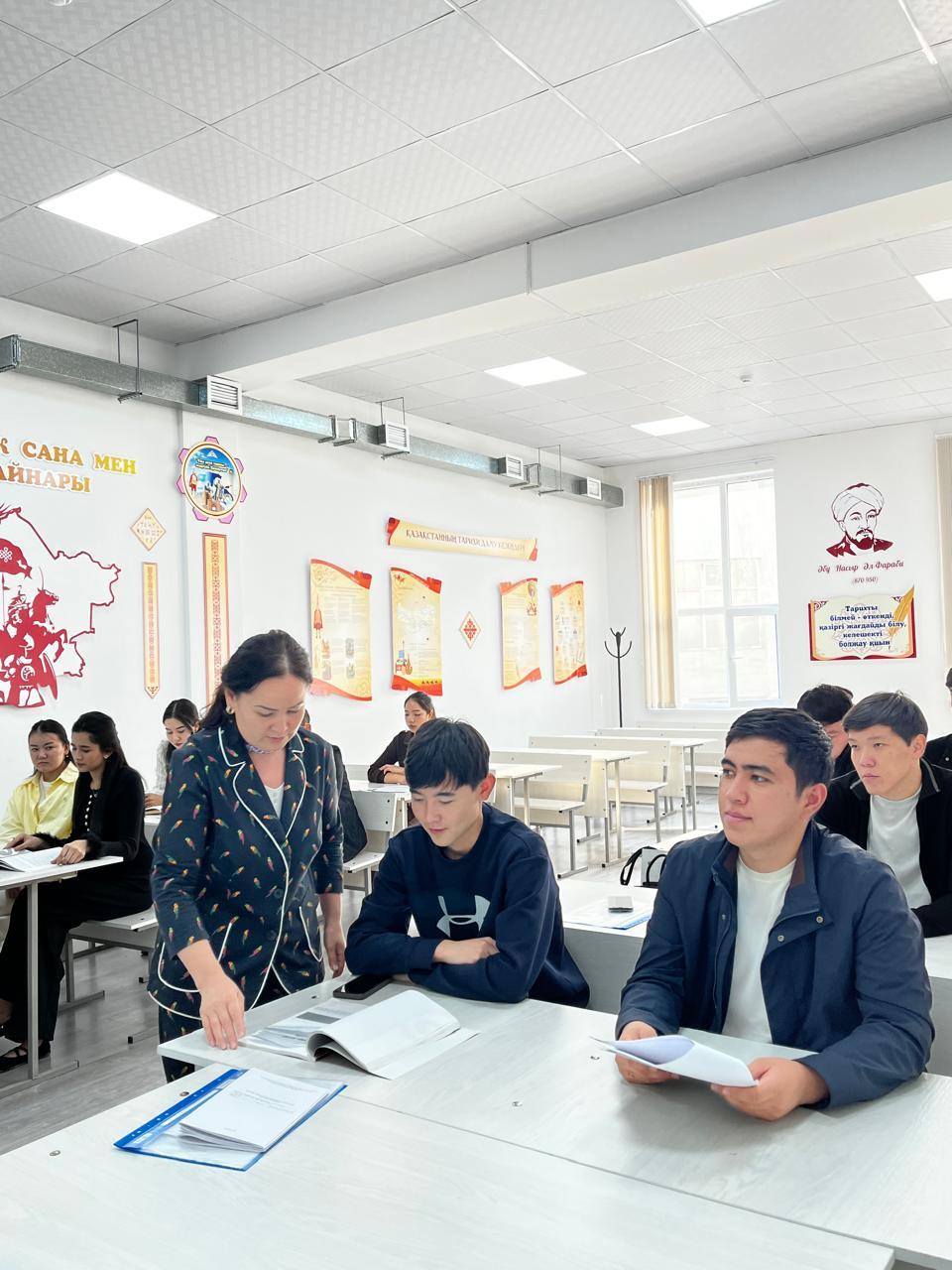
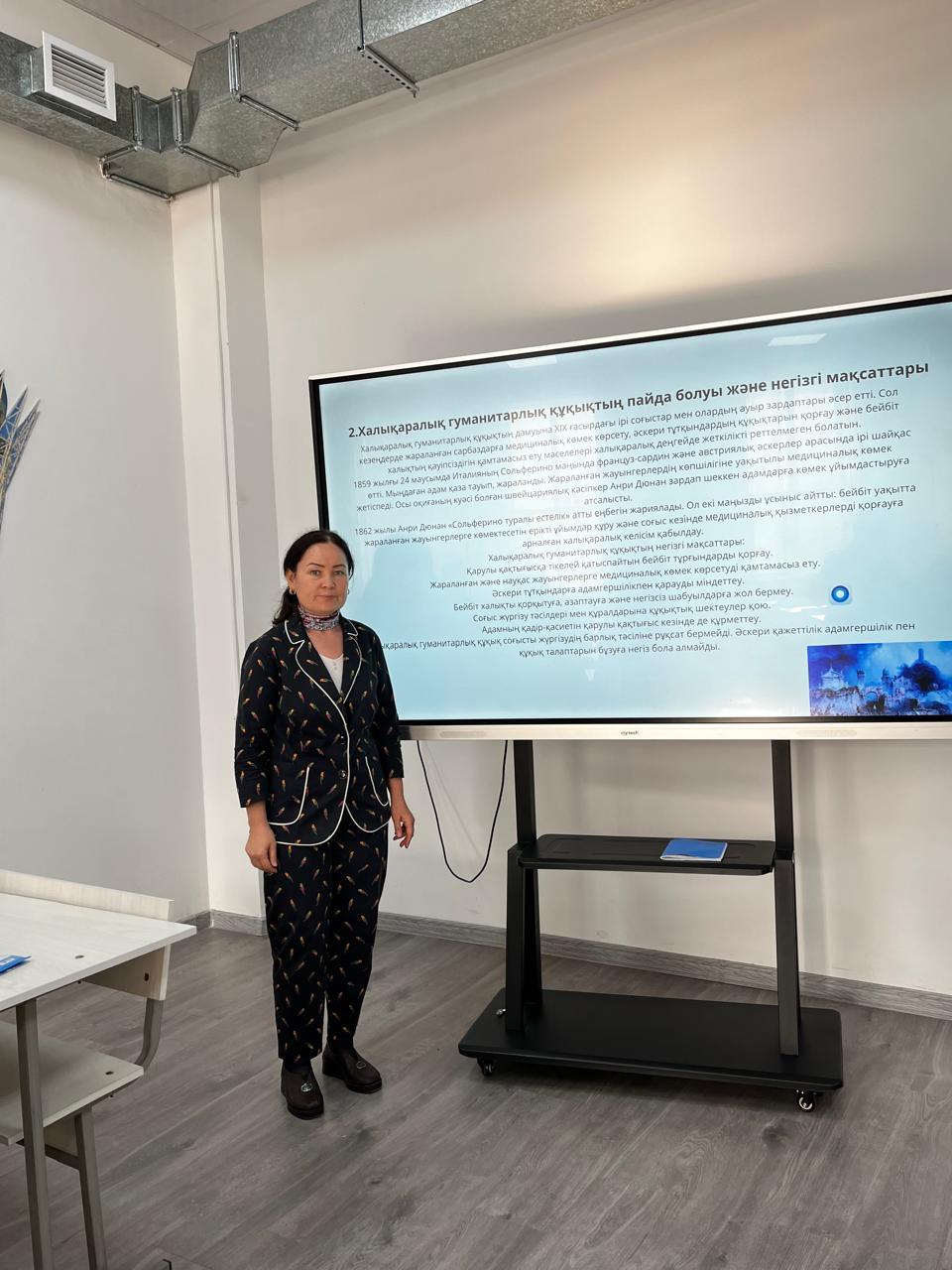
On November 2, 2026, the Department of Humanities at Zhumabek Akhmetuly Tashenev University held a methodological seminar titled “Research-Oriented Learning: Opportunities Offered by Digital Tools and Artificial Intelligence.”
The seminar was organized by Nurgul Tulegenkyzy Saparova, Senior Lecturer at the Department and Master of Historical Sciences.
The event was attended by faculty members and students of groups 1509-25-1k and 1509-25-2k enrolled in the 6B01509 Geography and History academic program at the Faculty of Arts and Humanities Education.
During the seminar, the participants discussed:
– developing a lesson-plan structure using artificial intelligence;
– linking learning objectives with historical concepts;
– methods for developing knowledge, skills and competencies in accordance with learning objectives;
– effectively using digital tools in lesson planning;
– introducing research-oriented approaches into the educational process.
The participants gained a deeper understanding of the advantages of teaching based on historical concepts and learned how to apply new methods and modern technologies effectively when planning lessons.
During the practical activities, the students presented proposals for defining learning objectives, developing lesson structures and using artificial-intelligence tools.
The seminar participants were actively involved and noted that the training content was useful and relevant.
Methodological meetings of this kind support the professional development of faculty members and students, improve digital literacy and contribute to enhancing the quality of education.