Tashenev University Discussed the President’s Address: Key Tasks of a New Historical Era
2026-11-13
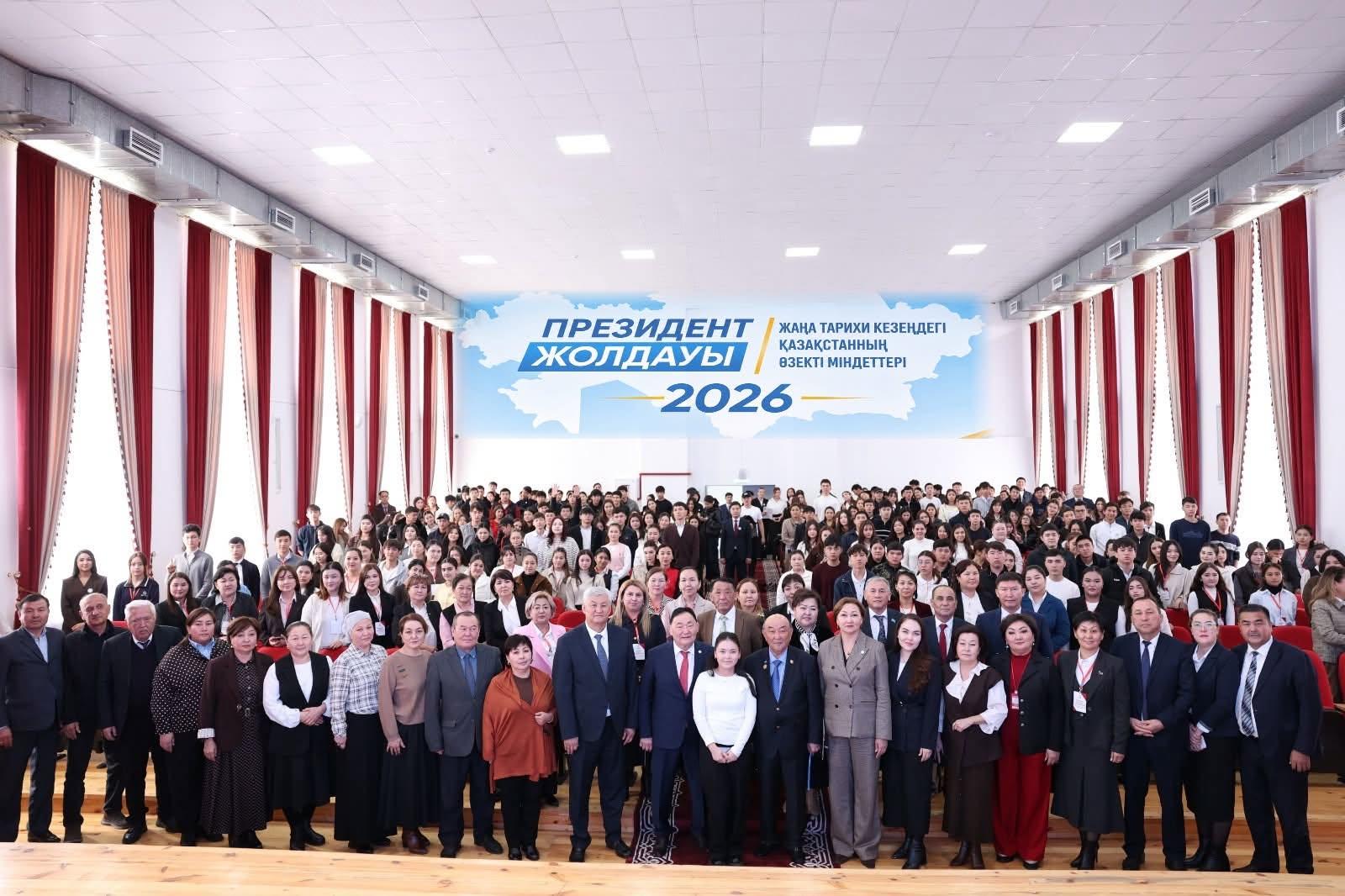
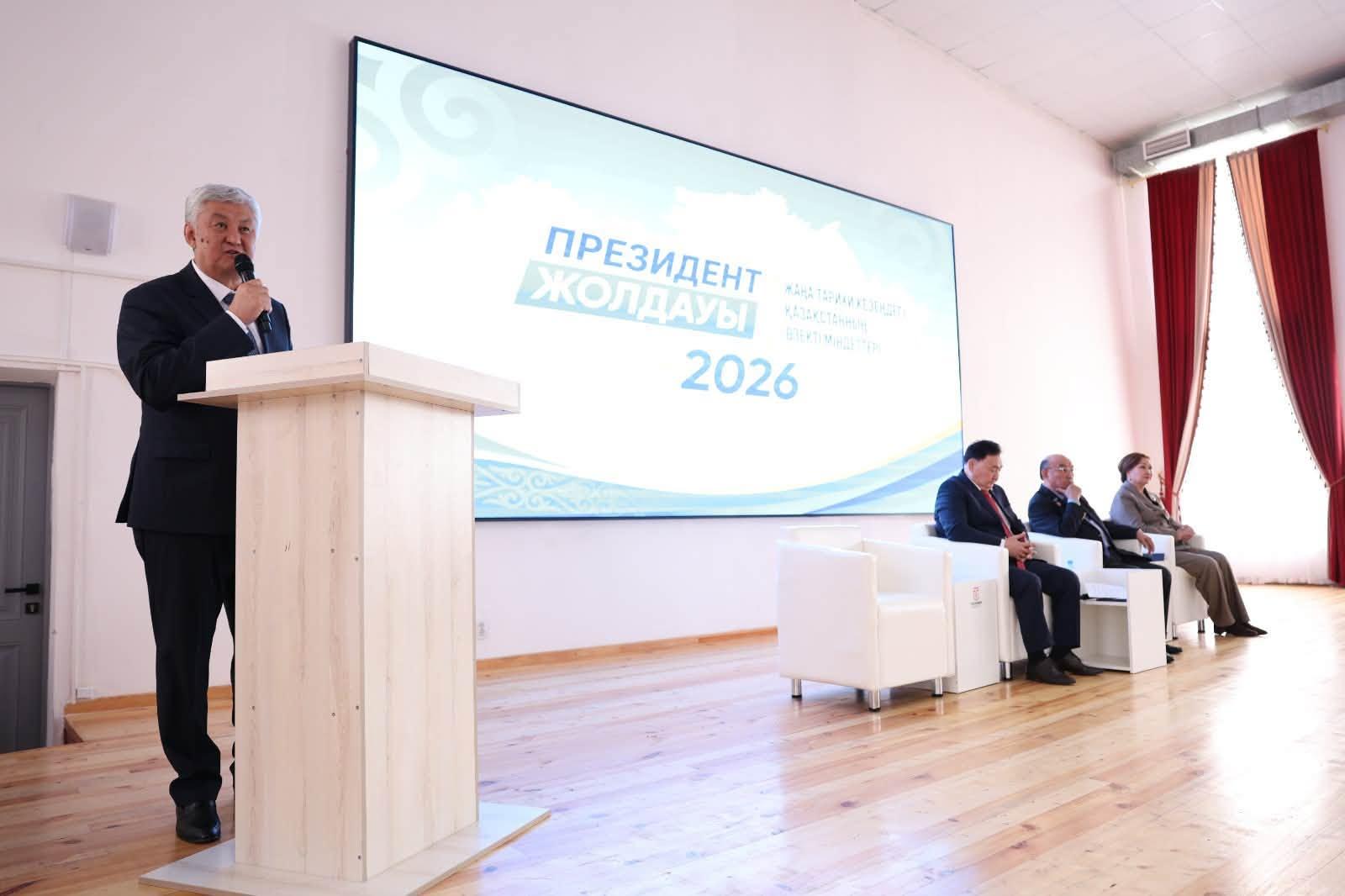
On November 13, 2026, Zhumabek Akhmetuly Tashenev University hosted a discussion of the Address of the President of the Republic of Kazakhstan entitled “Kazakhstan’s Key Tasks at a New Historical Stage.”
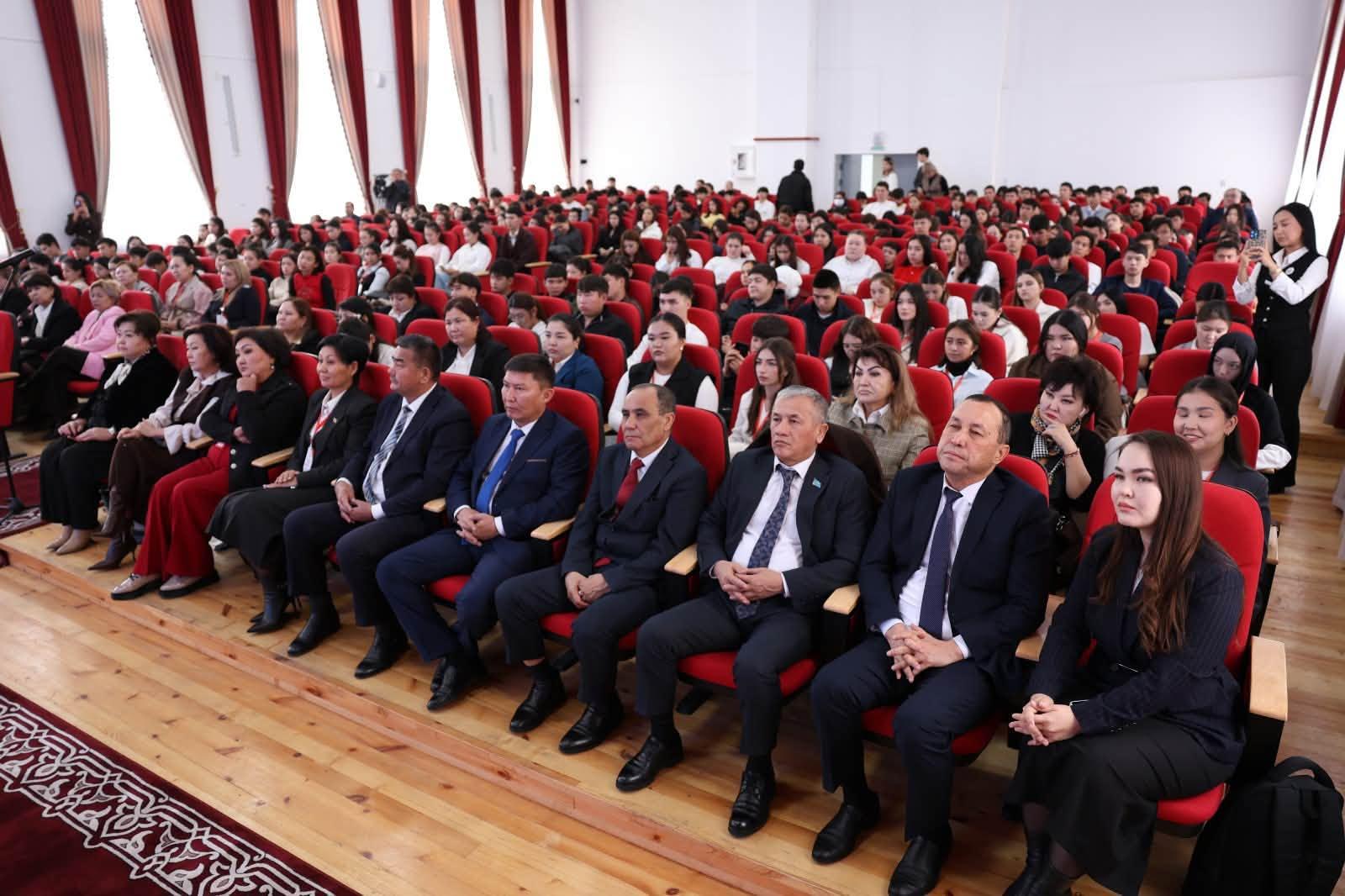
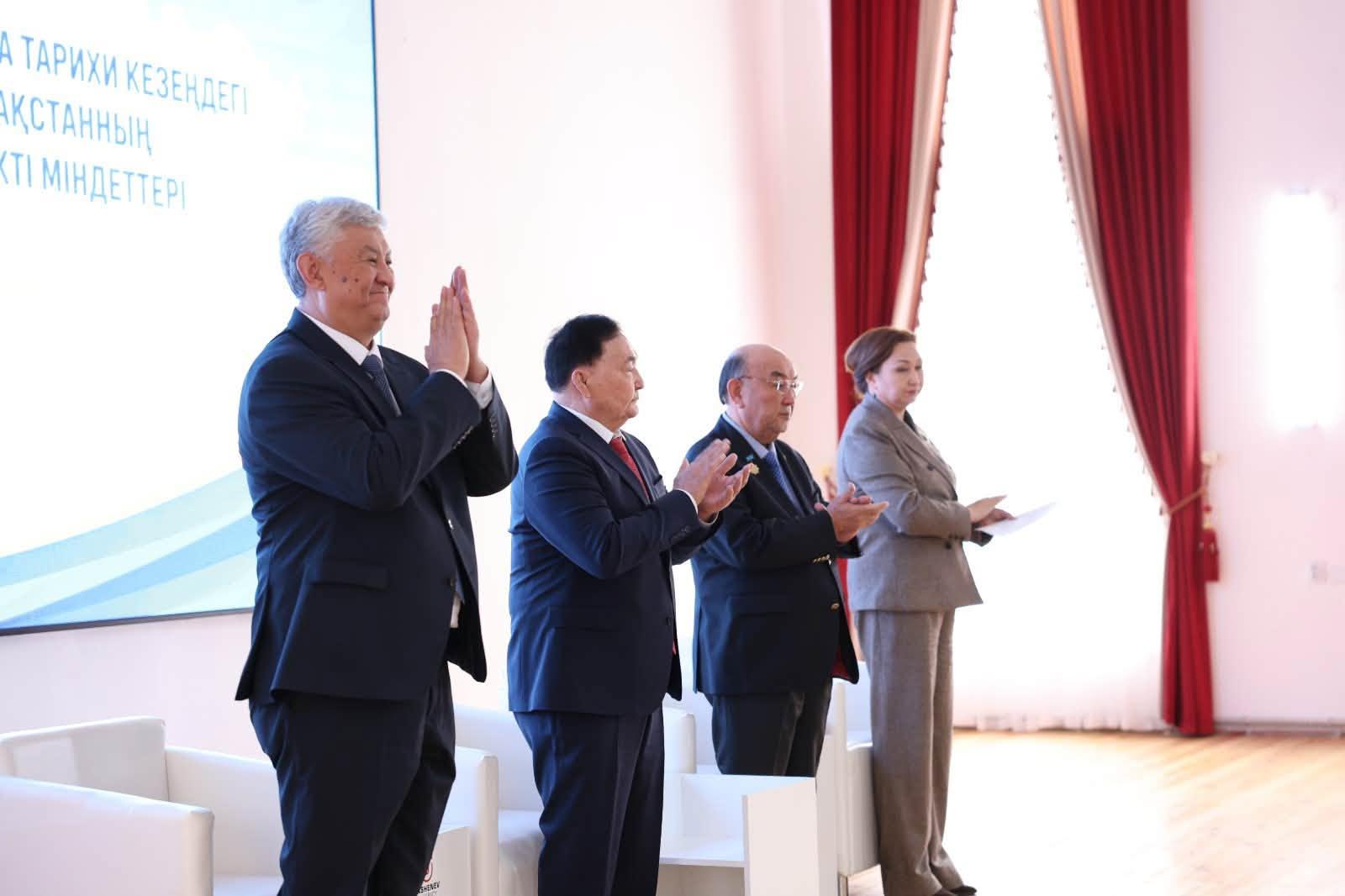
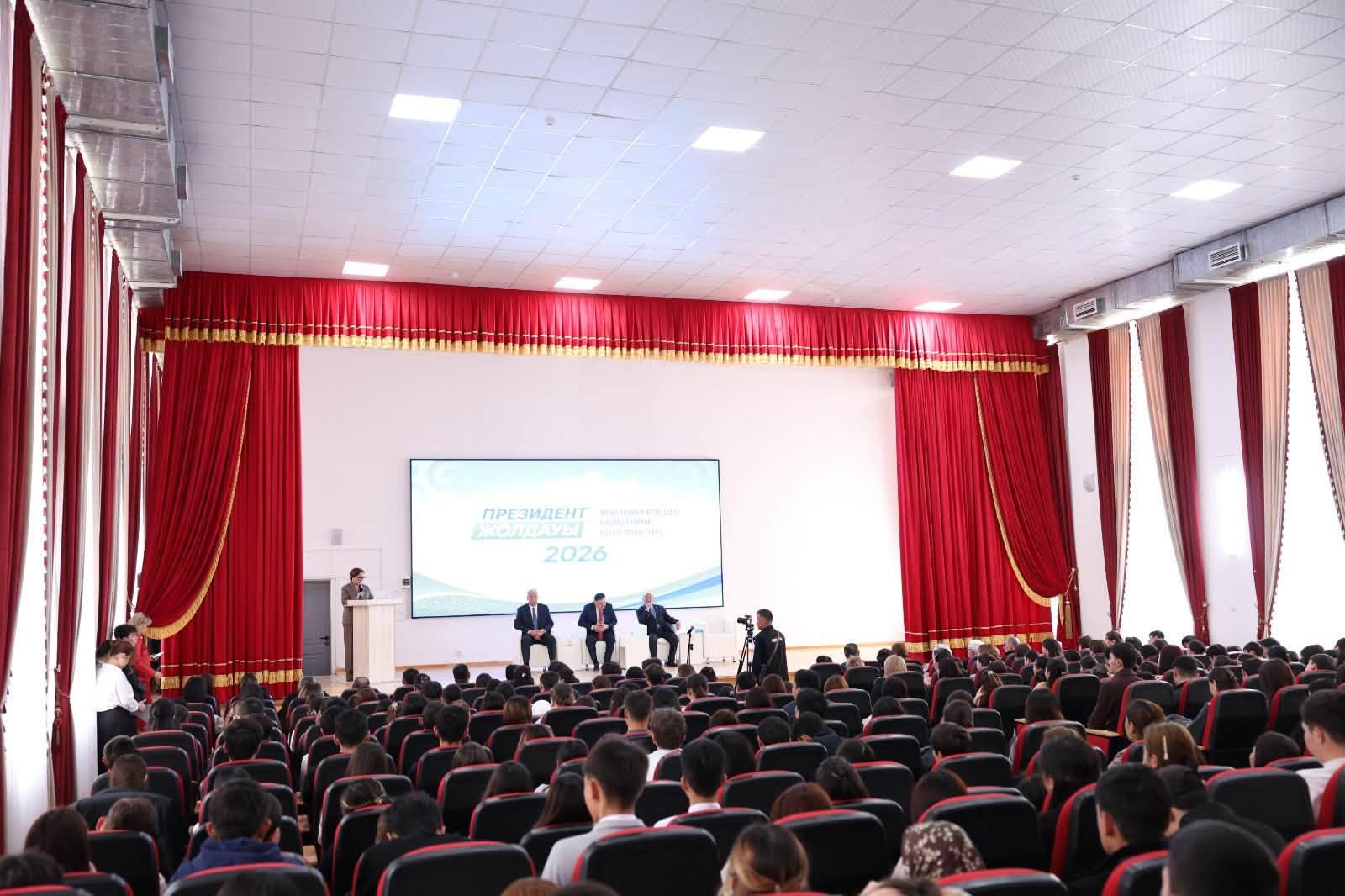
The event brought together the university leadership, faculty members, representatives of the academic, public, and legal communities, as well as students. Held ahead of the 35th anniversary of Kazakhstan’s Independence, the meeting focused on the country’s strategic development priorities at a new historical stage.
The meeting was moderated by Onalbay Ayashev, Chairman of the University’s Management Board, Academician of the National Academy of Sciences of the Republic of Kazakhstan, Doctor of Pedagogical Sciences, and Professor.
In his remarks, he emphasized that the President’s Address is an important strategic document defining the country’s future development priorities.
“At this new stage of national development, education and science, the rule of law, and public responsibility are becoming increasingly important. Implementing the tasks outlined in the President’s Address is a shared responsibility not only of government bodies but of society as a whole,” Onalbay Ayashev noted.
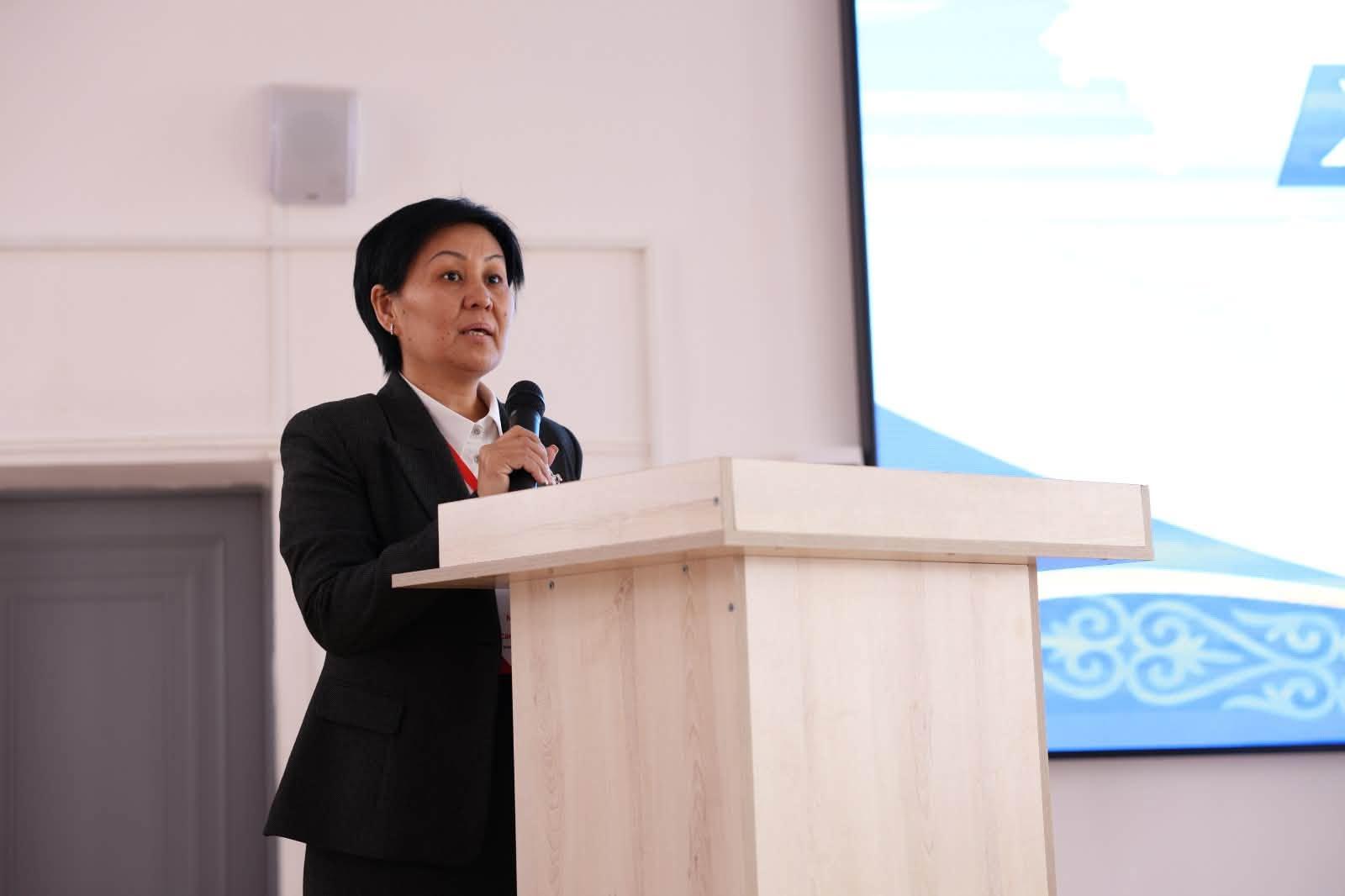
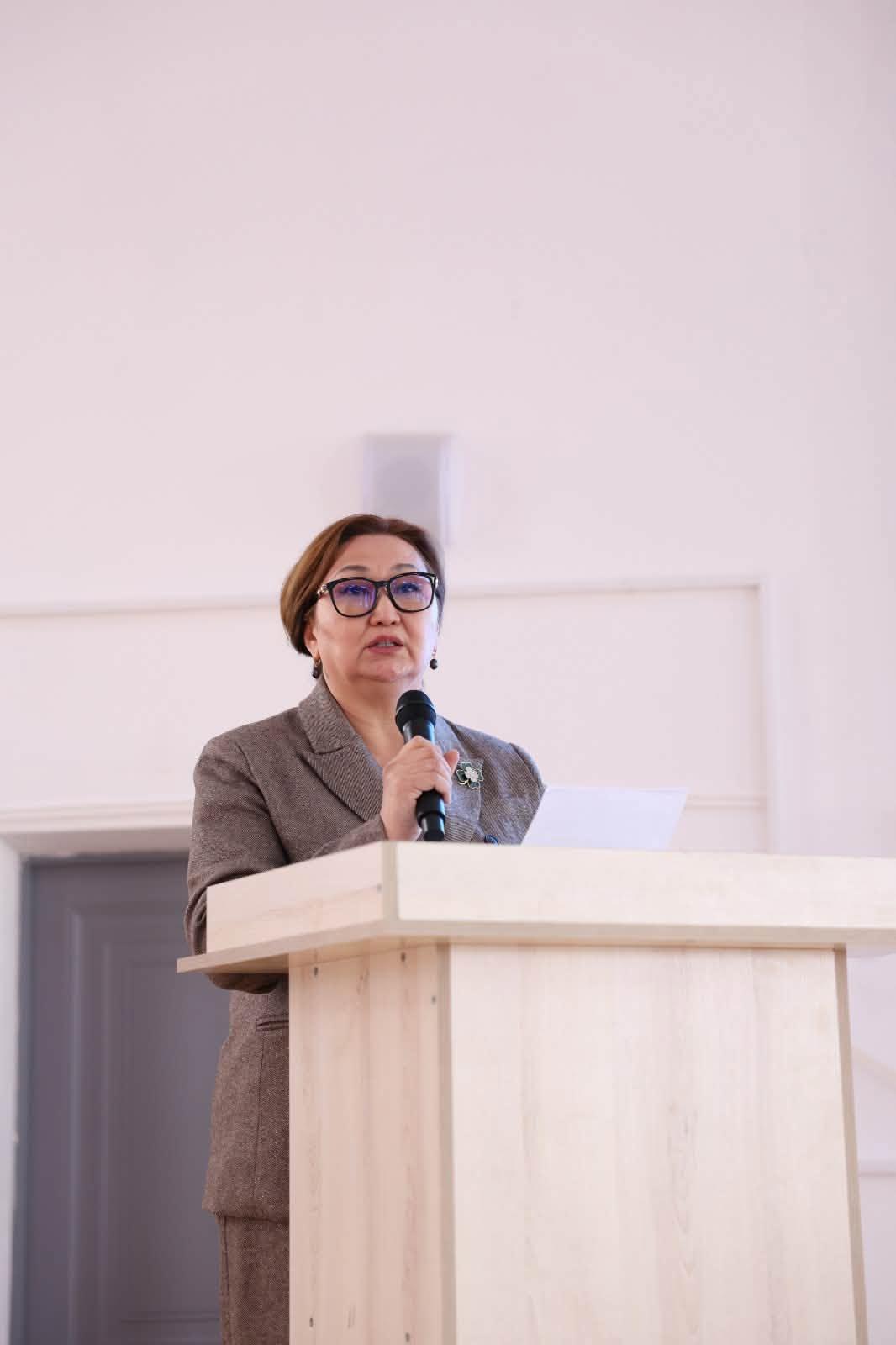
The first presentation was delivered by the University Rector, Candidate of Legal Sciences Zhanar Rysbekova. She addressed the strategic priorities for the development of higher education and research outlined in the Head of State’s Address.
“Today, the higher education system faces major challenges. Universities should not merely train specialists; they must also become centres of new ideas, scientific discoveries, and technological and social transformation. Therefore, improving the quality of education, advancing research, and effectively using the potential of artificial intelligence are among our key priorities,” Zhanar Rysbekova emphasized.
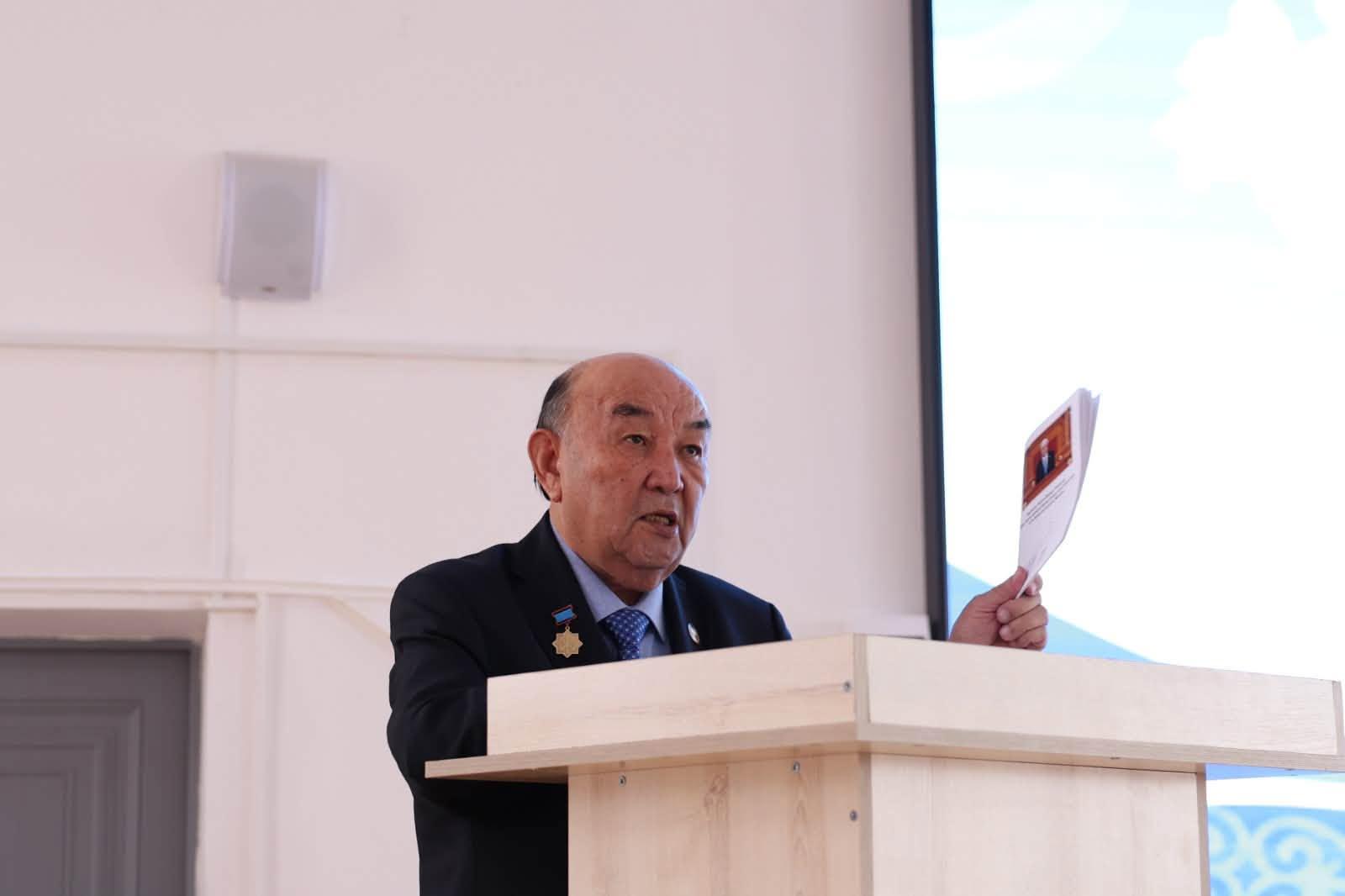
The discussion continued with a presentation by Beket Turgarayev, Honoured Worker of the Republic of Kazakhstan, Doctor of Legal Sciences, and Professor at the Department of Law. His presentation was entitled “The Rule of Law and the ‘Law and Order’ Principle as the Foundation of a Just Society.”
“The main condition for building a just society is the rule of law and the legal responsibility of every citizen. Trust, order, and stability can only develop when the law applies equally to everyone. Legal culture must begin in the family and educational institutions and be reflected in every person’s daily actions,” Beket Turgarayev stated.
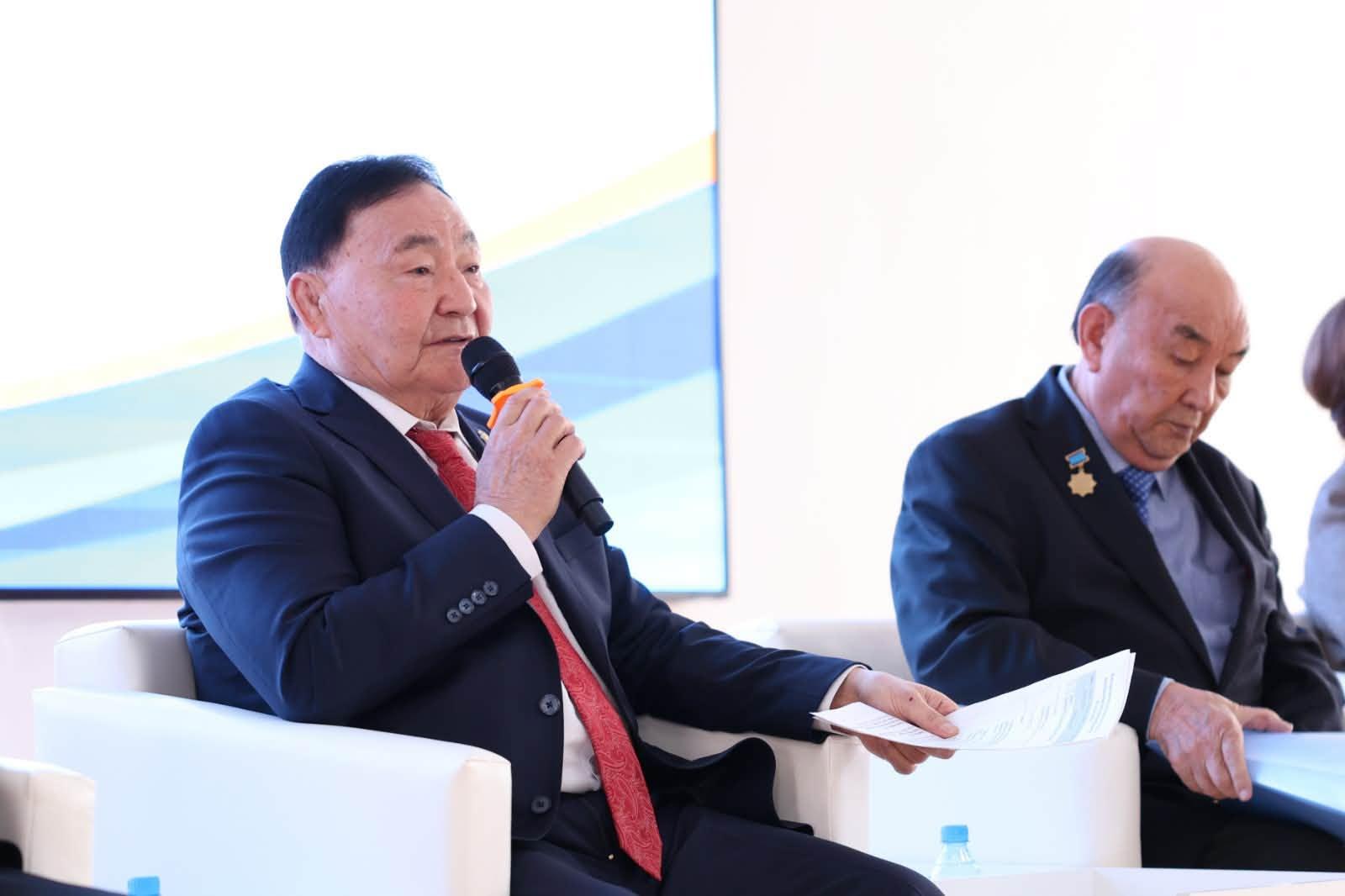
Abdez Imankulov, a member of the Council of the People of Kazakhstan, Head of the Kogamdyk Kelisim Municipal State Institution, and Senior Lecturer at the University’s Department of Kazakh Language and Literature, delivered a presentation entitled “New Public Ethics: Constitutional Values in Everyday Life.”
“Social harmony and unity are essential foundations of the state’s sustainable development. Constitutional values should not remain merely legislative provisions; they must become part of every citizen’s everyday principles. Mutual respect, responsibility, tolerance, and service to the common good are key characteristics of a cohesive society,” Abdez Imankulov emphasized.
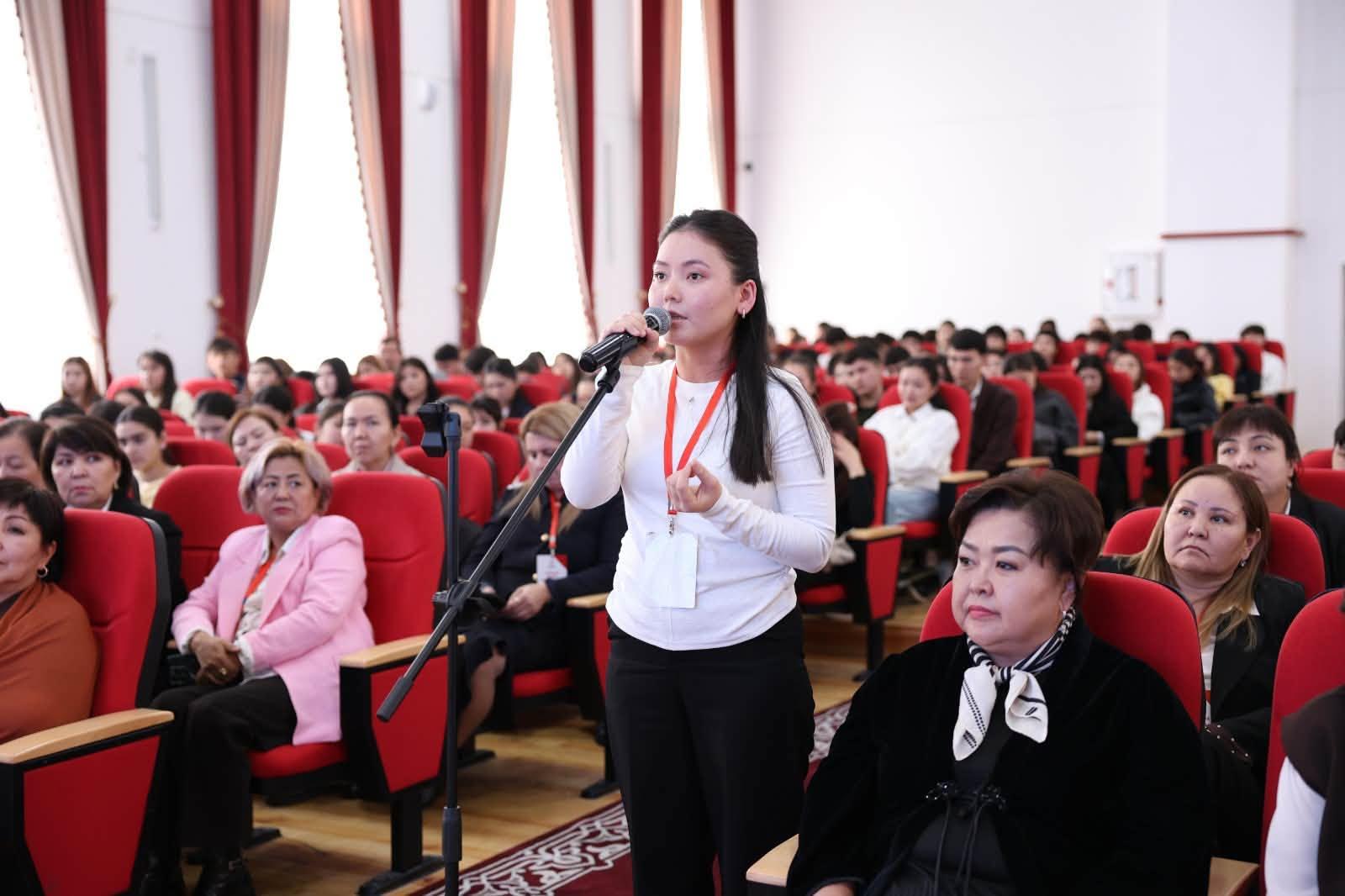
The voice of student youth also occupied a special place in the program. As part of the topic “New Kazakhstan: Youth Ideas Are the Future of the Country,” third-year student, Chair of the Student Kurultai organization, and Student Rector Ainur Bazarbay shared her views.
“Young people are not only the future of the country but also active participants in social transformation today. We must use the opportunities available to us and the knowledge we have gained for the benefit of our country. New ideas can produce tangible results only when youth initiatives are supported and young people’s opinions are taken seriously,” Ainur Bazarbay noted.
During the meeting, participants exchanged views on implementing the tasks outlined in the President’s Address, developing education and science, fostering legal culture, strengthening social harmony, and increasing young people’s civic engagement.
The participants emphasized the particular responsibility of higher education institutions, the academic community, and the younger generation in implementing the strategic priorities defined by the Head of State.
Such meetings encourage a deeper understanding of the main priorities of the President’s Address, support public dialogue, and foster an active civic position focused on the country’s future.